
Why Influencer Marketing Feels Fake (And Why We All Know It)
BUSINESSAITOPPINSTRENDINGSEVORSE R&D
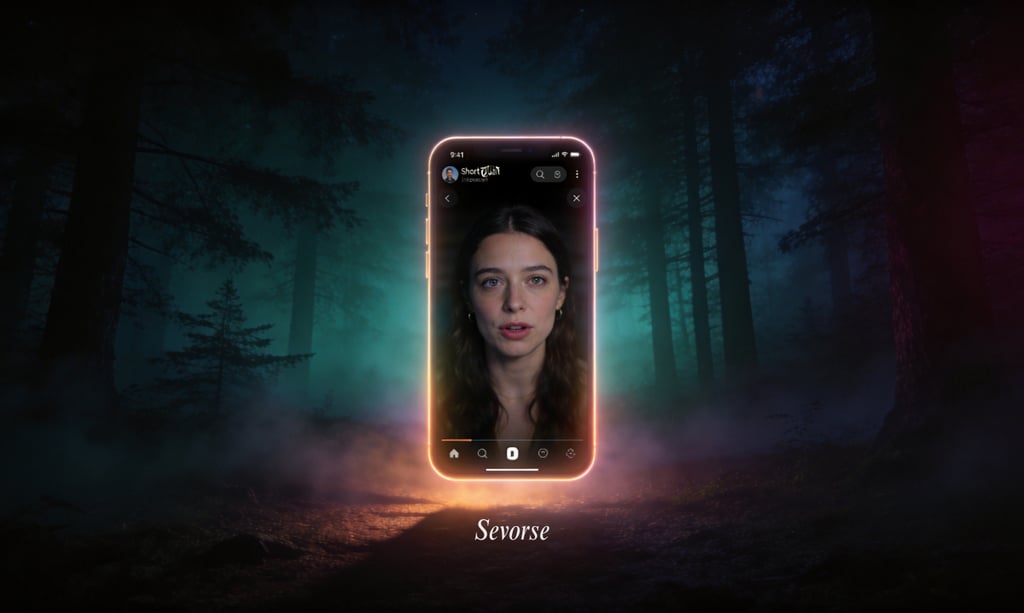
You're watching a video. The creator is mid-story, energy's good, you're hooked. Then it happens.
"But first, let me tell you about today's sponsor..."
And just like that, the spell breaks.
You don't even hear what they're saying anymore. You're already reaching for the skip button, or worse—you're sitting there feeling secondhand embarrassment for someone you actually liked five seconds ago.
If you've felt this, you're not alone. And if you're a creator reading this, you've probably been that person, hating every second of the script you're reading.
So let's talk about it. Why does influencer marketing feel so... fake?
The Authenticity Paradox Nobody Talks About
Here's the weird thing: influencer marketing was supposed to be the authentic alternative to traditional advertising.
Real people. Real opinions. Real trust.
That was the promise, anyway.
But somewhere between 2016 and now, something broke. Influencer marketing became the very thing it was supposed to replace scripted, sales-y, and painfully obvious.
The math is simple: creators need money. Brands have money. Brands want sales. So creators become salespeople.
Except... nobody followed a creator because they wanted a salesperson in their life.
We followed them for the jokes, the insights, the vulnerability, the expertise. We followed them because they felt real.
And the moment that realness gets interrupted by a 60-second ad read that sounds like it was written by a marketing intern, the whole thing falls apart.
The Script Problem
Let me paint you a picture.
A skincare creator with 500K followers gets a brand deal. Great, right? They're finally getting paid for their work.
But here's what actually happens:
Brand sends a script
Script includes mandatory talking points
Creator has to say the product "changed their life"
Creator has to mention a discount code three times
Creator has to smile while holding the product at a specific angle
Creator has to pretend this is just a casual recommendation
Now, this creator might genuinely like the product. But it doesn't matter.
Because the way they have to talk about it makes it feel like a lie.
And audiences? We can smell a script from a mile away.
We've been trained by thousands of hours of content to know exactly what a sponsored segment sounds like. The tone shifts. The energy changes. The words don't quite fit.
It's like watching someone read a teleprompter while pretending they're having a casual conversation.
The Trust Erosion Is Real
Here's a stat that should terrify every brand dumping money into influencer marketing:
61% of people say they don't trust influencer recommendations anymore.
That's not some fringe audience. That's the majority.
And it makes sense, doesn't it?
When the same creator promotes five different brands in the same category over three months, what are we supposed to believe?
Are they really using all five products? Do they actually think they're all "the best"? Or are they just saying yes to whoever pays?
The answer is obvious. And once audiences figure that out, the entire model collapses.
Trust isn't just damaged it's gone.
Creators Are Tired Too
Let's be honest about the other side of this equation.
Creators don't want to be walking billboards.
They started making content because they had something to say, something to share, something they cared about.
Now they're stuck in this exhausting cycle:
Negotiate deals
Wait for approval
Follow brand guidelines
Hit talking points
Respond to revision requests
Re-shoot if the brand doesn't like it
Post and hope people don't roast them in the comments
And for what? A one-time payment that barely covers their rent, while they watch their engagement drop because half their audience skips sponsored content?
It's a losing game for everyone.
Brands don't get real advocacy. Audiences don't get real content. Creators don't get real creative freedom.
The Moment It All Feels Wrong
You know what the saddest part is?
There are creators who genuinely love the products they promote. They'd talk about them anyway, deal or no deal.
But because the format itself has become so poisoned, even the authentic stuff gets lumped in with the fake.
When a creator says "I actually use this every day," we don't believe them even when it's true.
That's how broken this system is.
The format has killed the message.
What Happens Next?
So where does this leave us?
Brands still need to reach audiences. Creators still need to make money. Audiences still need to discover products.
But the current model scripted sponsorships, obvious ad reads, forced promotions isn't working for anyone anymore.
Something has to change.
Maybe it's less talking about products and more showing them naturally in context.
Maybe it's less "let me tell you why this is great" and more just... letting the product exist in the content, the way it would in real life.
Maybe ads don't need to interrupt. Maybe they just need to belong.
Because right now? They don't.
And we all feel it.
Featured Blogs
Future Begins Here.
Subscribe to our newsletter


© 2026 Sevorse. All rights reserved.